


09 December 2025
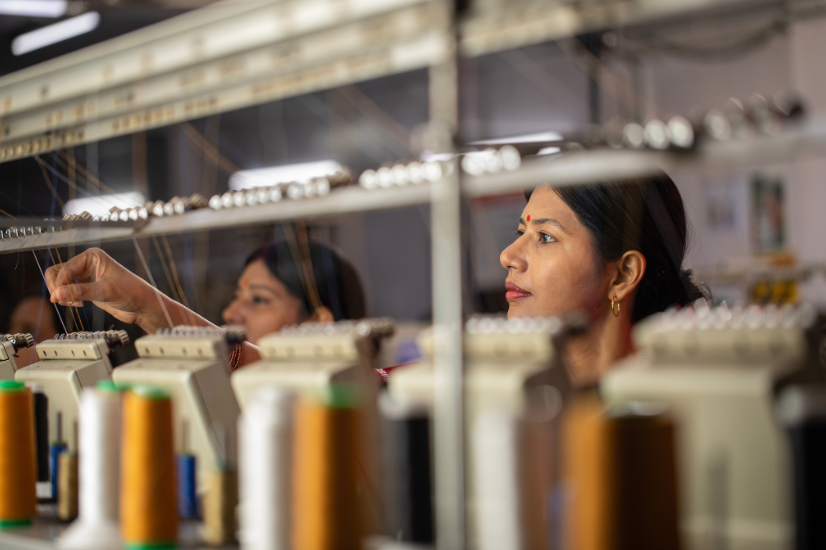
"If factories in their supply chain use child labour to make our clothes, companies can wash their hands of it. Thousands of medium-sized textile, food and mining companies are escaping scrutiny."
Brussels, 9 December 2025 – The European due diligence law, which was meant to force companies to tackle child labour and exploitation in their supply chains, is being drastically weakened under pressure from the far right. MEP Sara Matthieu (Greens/EFA) reacts with deep disappointment: "Only the very largest companies - with more than 5,000 employees - still have to comply with the rules. If factories in their supply chain use child labour to make our clothes, companies can wash their hands of it. Thousands of medium-sized textile, food and mining companies are escaping scrutiny."
Far right sets the tone
Matthieu is harsh on the Christian Democrats who are once again allowing themselves to be led by the far right. "The EPP negotiator gave in to pressure from PfE, ECR and ESN. Whenever the far right pulls the leash, the Christian Democrats follow obediently. The result is a law that abandons workers and affected communities."
Medium-sized companies off the hook
The agreement drastically raises the threshold: only companies with more than 5,000 employees and a turnover of more than €1.5 billion still have to check whether child labour or exploitation is taking place in their supply chain. "This means that a European textile company with 3,000 employees having clothes made in Bangladesh no longer has to check whether children are working there or whether there are unsafe working conditions," Matthieu explains. "For workers in garment factories, on cocoa plantations or in cobalt mines, this is a disaster."
Lower fines, scrapped climate plans
Companies that fail to comply with the rules face lower fines: a maximum of 3% of their global turnover instead of 5%. "Less deterrent means companies are more likely to ignore the rules," says Matthieu. In addition, the obligation to draw up a plan for the climate transition is being scrapped entirely. "Companies no longer have to explain how they plan to become climate neutral. Major polluters get a free pass while citizens foot the bill."
The vote will take place on Thursday in the JURI committee, followed by a plenary vote next week.
Sustainability reporting
In addition to the due diligence law, reporting rules are also being adjusted. Companies with more than 1,000 employees and a turnover of €450 million must report on their social and environmental impact. A digital portal will be created to help smaller companies with this reporting.
"Simplification unfortunately also means weakening here," says Matthieu. "Fewer companies required to report also means less insight into where problems lie."
Groen gebruikt functionele en analytische cookies die noodzakelijk zijn om de website goed te laten functioneren. Deze cookies verwerken geen persoonsgegevens en hier is geen toestemming voor nodig.
Als je daarvoor toestemming geeft, maken we ook gebruik van marketingcookies. Die stellen ons in staat om de website beter af te stemmen op jouw voorkeuren.
Je kunt je instellingen hieronder wijzigen. Ons privacybeleid vind je hier.


