


25 Februari 2026
"It is absurd that we are currently losing millions of tonnes of materials every year. That is why this new law is a much-needed tool to strengthen our industry and our European autonomy."
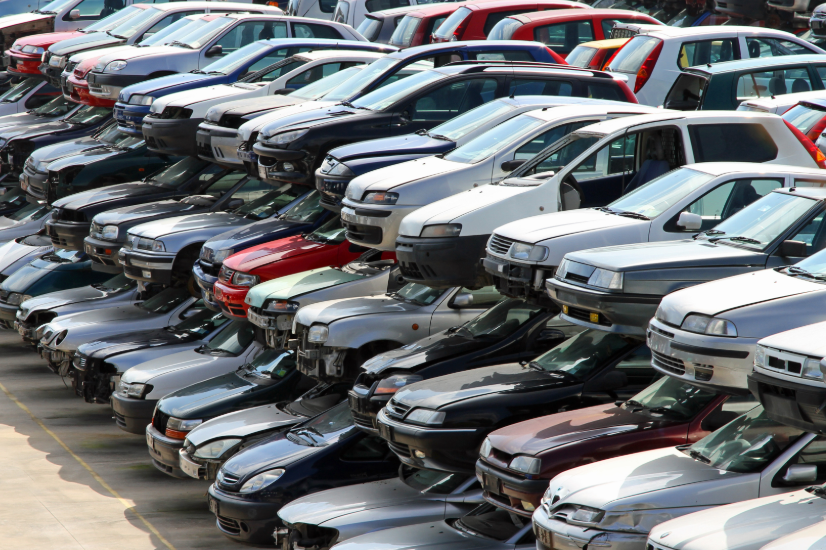
Brussels, 25 February 2026 - Every year, around 3.5 million old cars disappear from Europe. These are valuable materials that could be put to much better use by the European recycling sector. Today, the Environment and Internal Market Committees in the European Parliament are voting on the End-of-Life Vehicles Regulation to put an end to this. In addition, new objectives and provisions are introduced to increase recycling and circular design for new cars. Sara Matthieu (Groen), negotiator for the Greens: "It is absurd that we are currently losing millions of tonnes of materials every year. That is why this new law is a much-needed tool to strengthen our industry and our European autonomy."
Belgium, a hub for the export of old cars
Belgium plays a major role in this story. Through the port of Antwerp, old and discarded vehicles are leaving the continent en masse for Africa. These cars are full of valuable raw materials that Europe desperately needs for its green and technological transition. That is why the new law improves traceability and ensures that only cars with a valid roadworthiness certificate can be exported from Europe. This will prevent many abuses and significantly reduce illegal exports.
Matthieu: "We're making sure end-of-life cars can no longer be exported from the EU. Not only is it unfair to dump these vehicles elsewhere, it also means that we are losing massive amounts of valuable scrap for our economy. This proves again that fixing the economy and our environment go hand in hand."
New design and recycling rules
The law also introduces measures to design cars in such a way that they can be repaired, refurbished and recycled. It also introduces an extended producer responsibility system to finance the collection and processing of end-of-life vehicles, as well as to develop financial incentives for manufacturers who design cars in a circular manner.
A key political battle was the introduction of targets for recycled materials in new cars such as metals and plastics in particular. Within six years, at least 15% of plastics in new cars will be recycled plastics; within ten years, at least 25%. Additional targets will follow for important metals such as steel and aluminium. This will lead to new investments in a sector that is going through difficult times. Dozens of small and medium-sized enterprises have closed their doors in recent years due to a lack of demand for circular products.
Matthieu: "The right always claims to stand up for SMEs, but nothing could be further from the truth: here, they have once again sided with the car lobby to completely scupper these measures. I am glad that we have prevented them from gutting these measures, and that we are giving a much-needed shot of oxygen to plastics recyclers in Europe."
Next steps
In April, the text will be voted on and approved during the plenary session of the European Parliament.
Groen gebruikt functionele en analytische cookies die noodzakelijk zijn om de website goed te laten functioneren. Deze cookies verwerken geen persoonsgegevens en hier is geen toestemming voor nodig.
Als je daarvoor toestemming geeft, maken we ook gebruik van marketingcookies. Die stellen ons in staat om de website beter af te stemmen op jouw voorkeuren.
Je kunt je instellingen hieronder wijzigen. Ons privacybeleid vind je hier.