


17 December 2025
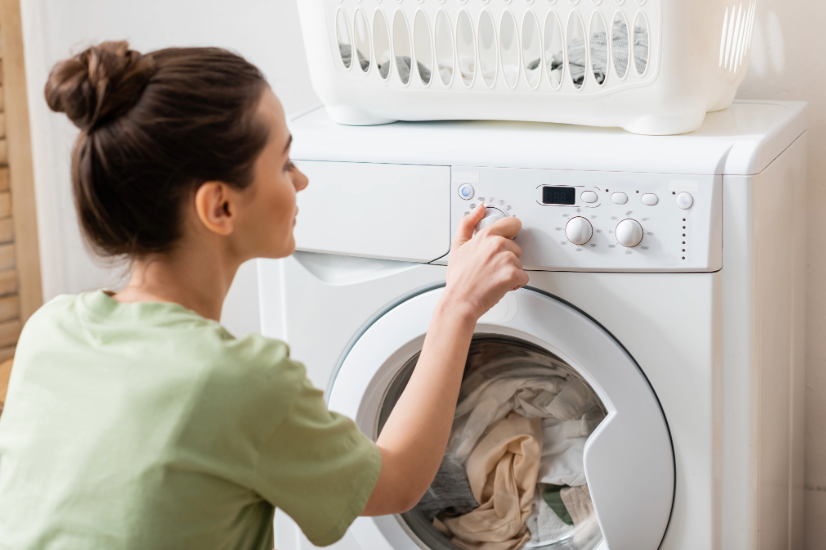
"The expansion to products like washing machines, vehicles and engines means European production is better protected against unfair competition from abroad, while the climate wins. The European support fund needs improvement: the Commission must set clear conditions for decarbonization to qualify for subsidies."
Strasbourg, 17 December 2025 - The European Commission today proposes to expand the Carbon Border Adjustment Mechanism (CBAM) to a wide range of products containing steel and aluminium, such as washing machines, vehicles and car parts. Additionally, a temporary fund will be created to support industry. Member of the European Parliament Sara Matthieu (Greens) responds: "The expansion to products like washing machines, vehicles and engines means European production is better protected against unfair competition from abroad, while the climate wins. The European support fund needs improvement: the Commission must set clear conditions for decarbonization to qualify for subsidies."
Extension to consumer goods
The expansion means that not only raw materials like steel and aluminium fall under CBAM, but also products made from those raw materials. As a result, all products containing polluting-produced steel and aluminium pay for those CO₂ emissions when they enter the European market. Matthieu calls for further expansion: "As far as we're concerned, we need to protect many more products against unfair competition, including processed products as well as plastics and parts of the (petro)chemical sector. These are the most polluting sectors that currently receive free emission allowances. The polluter pays - that principle must apply everywhere."
Level playing field for European companies
CBAM enters into force on 1 January 2026 and ensures that non-European companies also pay a fair price for their CO₂ emissions when they export to the EU. This protects European companies against unfair competition from countries with less stringent climate rules. The mechanism currently already applies to sectors such as steel, cement, aluminium, electricity, hydrogen and fertilizers. In parallel, free CO₂ emission allowances for EU industry are being gradually phased out.
Criticism of temporary support fund
In addition to the expansion, the Commission proposes a temporary fund to support industry. The fund receives 25% of CBAM revenues in 2026 and 2027. Matthieu is critical of these subsidies: "The Commission must set clear decarbonization conditions for industry to qualify. Otherwise, this is simply an extension of free emission allowances."
Groen gebruikt functionele en analytische cookies die noodzakelijk zijn om de website goed te laten functioneren. Deze cookies verwerken geen persoonsgegevens en hier is geen toestemming voor nodig.
Als je daarvoor toestemming geeft, maken we ook gebruik van marketingcookies. Die stellen ons in staat om de website beter af te stemmen op jouw voorkeuren.
Je kunt je instellingen hieronder wijzigen. Ons privacybeleid vind je hier.


